

How to Read Your Paycheck
In this article
Have a new job? We’ll help you understand how to read your paycheck!
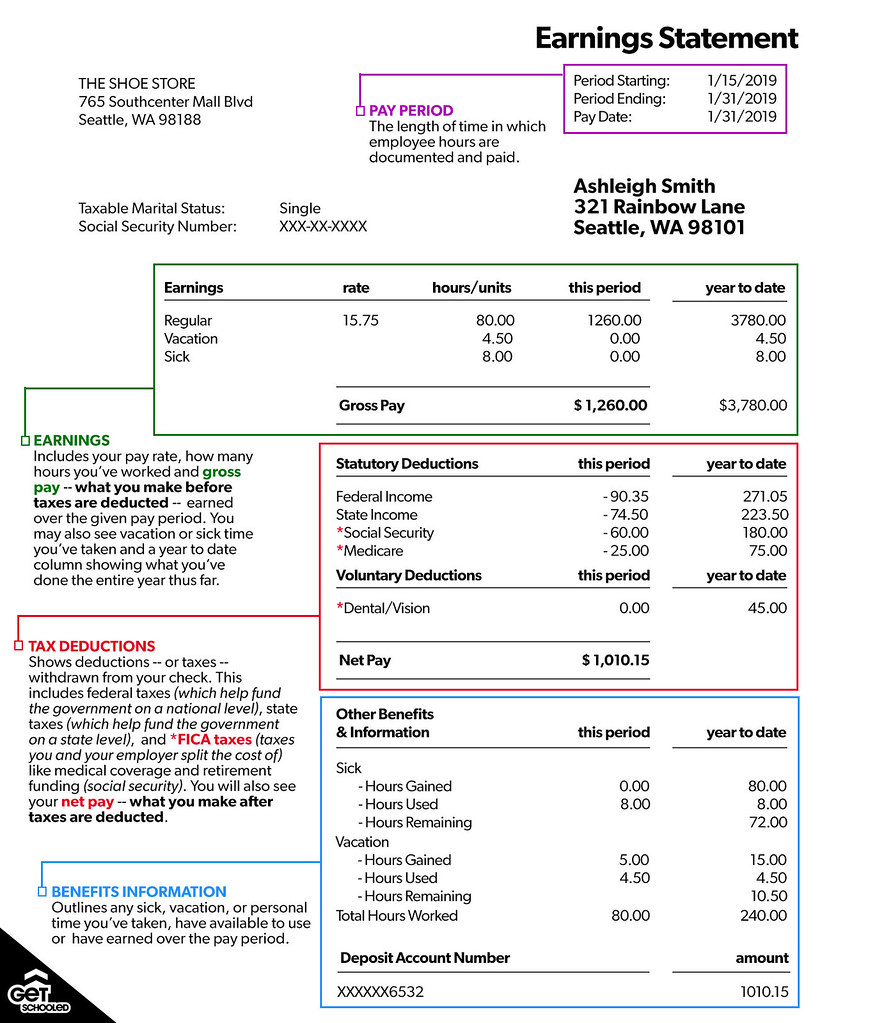
Most paychecks have two parts: your pay stub and paycheck. Your paycheck provides what is referred to as net pay, or the money that is paid to you. Your pay stub outlines your gross pay, or the money you made before taxes or any other deductions were taken from it.
It’s important to note that every pay stub will look different depending on the employer. If you have questions about yours, be sure to reach out to your HR or accounting department.
Key terms to know before reading your pay stub
- Gross Pay: the total amount of money you earned before any taxes or deductions are taken out.
- Net Pay: the amount of money you take home after taxes and deductions. This is your actual paycheck.
- Tax Deductions: Money taken out of your paycheck for federal, state, and sometimes local taxes.
- Other Deductions: These can include things like health insurance premiums, retirement contributions, or union dues.
- Year-to-Date (YTD): This shows the total amount you’ve earned and the total deductions taken out from the beginning of the year up to the current pay period.
- Pay Period: the time span for which you’re being paid (e.g., two weeks or one month).
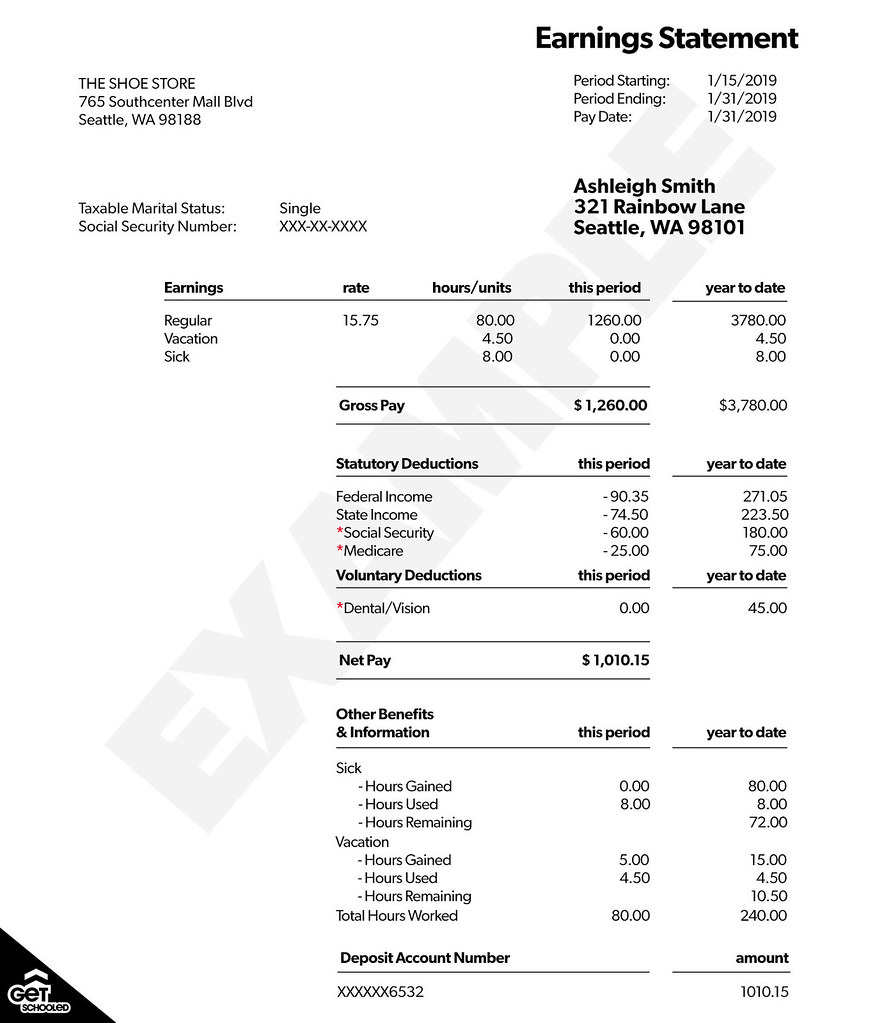
Here’s an outline of a typical pay stub and what you can expect to find on it:
Do you have any more questions about reading your paycheck? Connect with a Get Schooled Advisor.
Keep going

Job Jargon Definitions & Meaning
Starting a new job and are confused by all the job jargon and new terms? Let us break it down for you.

Money Tips for your First Job
Got your first job? Learn how to make your money work for you!
What Teens Need to Know About Taxes
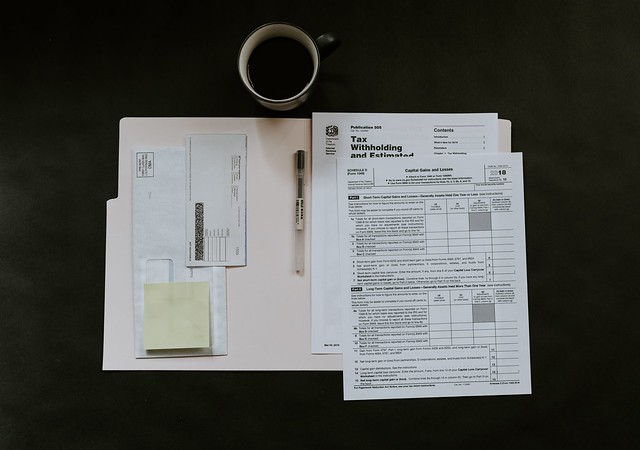
A simple guide to taxes for teens, covering filing requirements, common tax forms, and what to expect when you start working.

Checking & Savings Accounts: What’s the Difference?
Getting a bank account for the first time? Here’s the difference between checking and savings accounts.